All publications
Bid-rigging in public procurement: Cartel strategies and bidding patterns
Bid-rigging harms economies and societies. While existing research has primarily focused on quantifying the economic damages resulting from bid-rigging cartels, there is a relative dearth of studies exploring how firms interact and the specific techniques they use to rig tenders. Our paper examines the bidding behaviours associated with…

Cleaning mafia cash: An empirical analysis of the money laundering behaviour of 2800 Italian criminals
Despite the wide reach of anti-money laundering legislation worldwide and increasing media attention, fostered by journalistic leaks such as Panama Papers, empirical knowledge on how criminals launder their illicit proceeds is still scarce. The few available empirical studies show that money laundering (ML) schemes are often less sophisticated than they are depicted…
Security in Retail in Italy 2023
The report “Security in Retail in Italy, 2023: a study on losses, thefts and security measures” is the result of the study conducted by Crime&tech on shrinkage and security in the retail and large-scale distribution sector, with the support of Checkpoint Systems Italia and in collaboration with Associazione Laboratorio per…
CSABOT – Beneficial Owners of European Companies
The paper “Beneficial Owners of European Companies (and Related Risks)” presents the research conducted by Transcrime, within the CSABOT project, on risk factors and anomaly indicators in the ownership structure of European companies. These indicators are then applied to 4,500 companies owning 505k real estate properties in Paris, mapping the…
AML Data Sharing
AML Data Sharing: a survey on sharing data for anti-money laundering purposes is the first research conducted in Italy and in Europe on the exchange of information between obliged entities for anti-money laundering and countering the financing of terrorism (AML/CFT). The study consulted the 44 main Italian intermediaries (equivalent to…
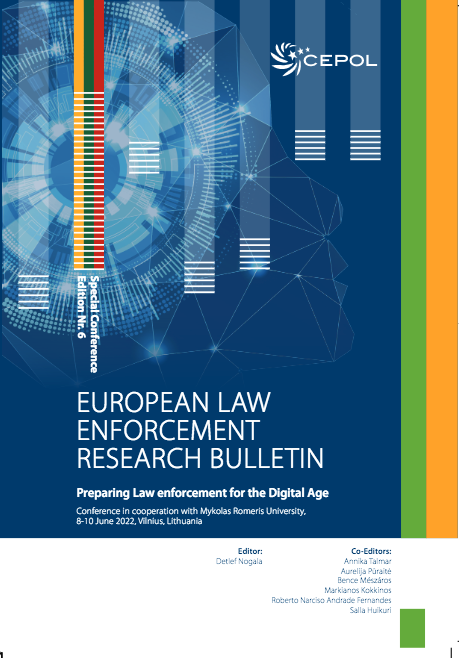
Investigating High-Risk Firms
A Machine Learning-based Approach to Cross-Border Ownership Data Corporate ownership secrecy has become a central issue in the global debate as the use of legitimate companies in illicit schemes has increased dramatically in recent times. While several measures have been implemented worldwide to increase the transparency of firms and their…
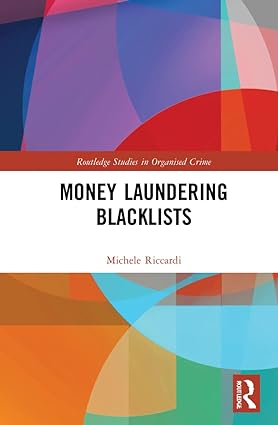
Money Laundering Blacklists
What are the criteria used by Financial Action Task Force (FATF) and the European Union to blacklist jurisdictions at high-risk of money laundering? What are the countries at highest risk according to Panama Papers and FinCEN files? Where do criminals move their illicit money, according to judicial and investigative evidence? This book answers…
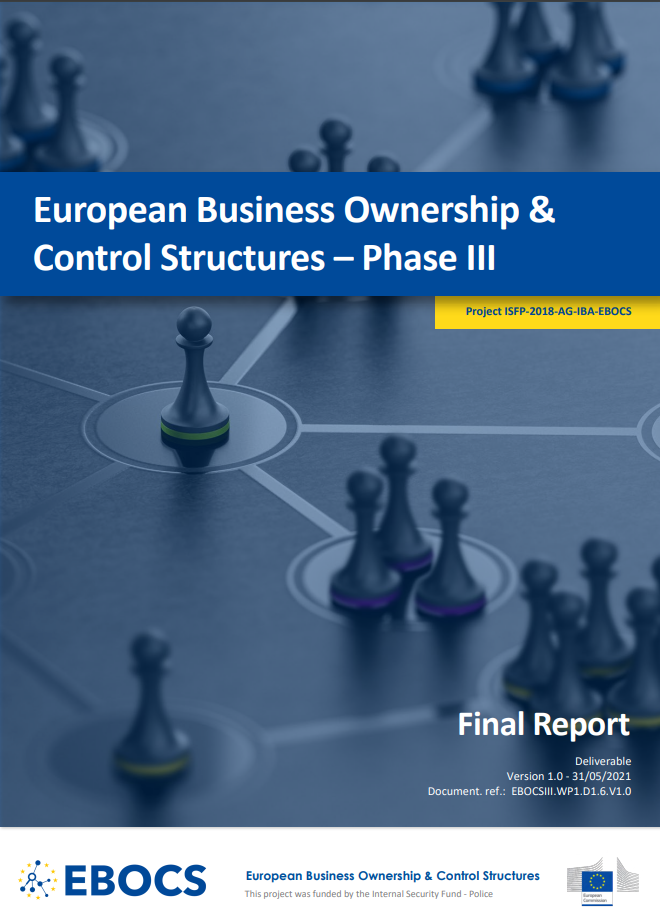
EBOCS III
European Business Ownership and Control Structures
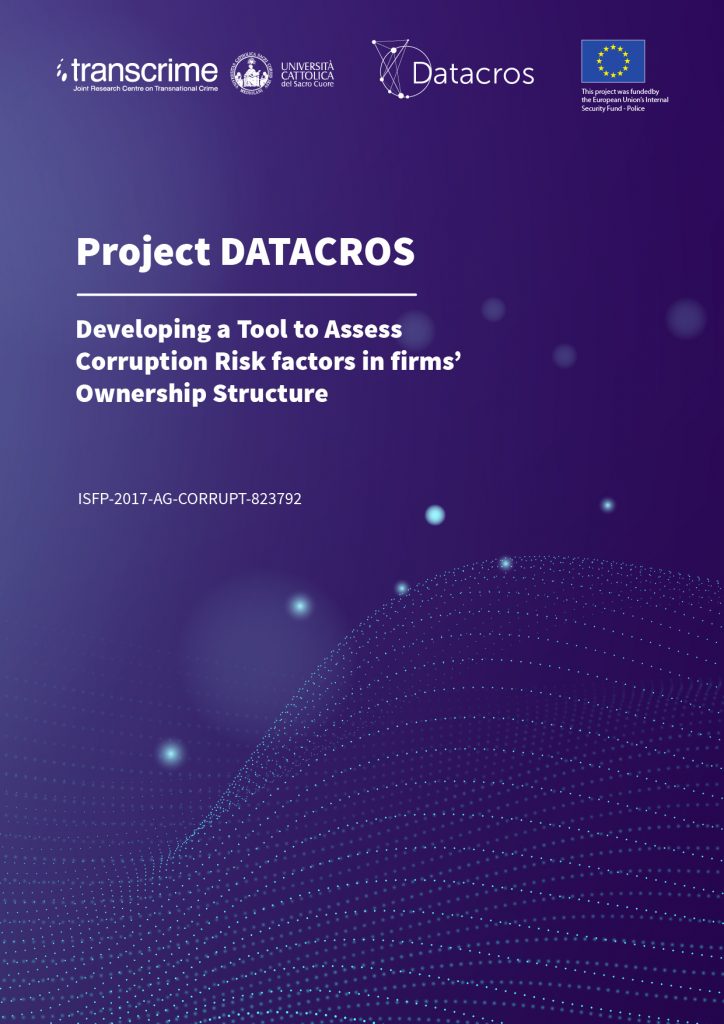
Datacros
Developing a Tool to Assess Corruption Risk factors in firms’ Ownership Structures
The changes in ownership of Italian companies during the Covid-19 emergency
Research in Brief